How to get featured in interior publications as a kitchen design brand
For many kitchen designers, the moment they see their work printed across the pages of a respected interior or property magazine feels like a rite of passage. It is validation. It is visibility. It is the quiet recognition that their craftsmanship belongs within the wider conversation of contemporary design.
Yet features rarely happen by chance. They are the result of preparation, strategy, and an understanding of what editors are truly seeking.
At first glance, it might seem obvious: magazines publish beautiful spaces. Therefore, create a beautiful kitchen and send photographs. But editorial decisions are rarely driven by beauty alone. Editors are curators of stories. They are shaping narratives about how people live, what they aspire to and how design influences everyday experience.
To be featured, a kitchen must offer more than aesthetic appeal. It must contribute to a broader conversation.
Perhaps it solves a complex architectural challenge in an urban townhouse. Perhaps it demonstrates how a historic property can be modernised without losing character. Perhaps it showcases sustainable materials in a way that feels refined rather than rustic. Perhaps it reflects changing family dynamics with multifunctional islands, concealed workspaces or integrated dining zones. The editorial value starts with context.
Understanding this is transformative. When designers begin to view their projects through the lens of narrative rather than portfolio, the way they present their work shifts. They articulate the brief. They describe the obstacles. They explain the design rationale. They highlight the material decisions that required deliberation. They share how the finished space altered the client’s experience of their home.
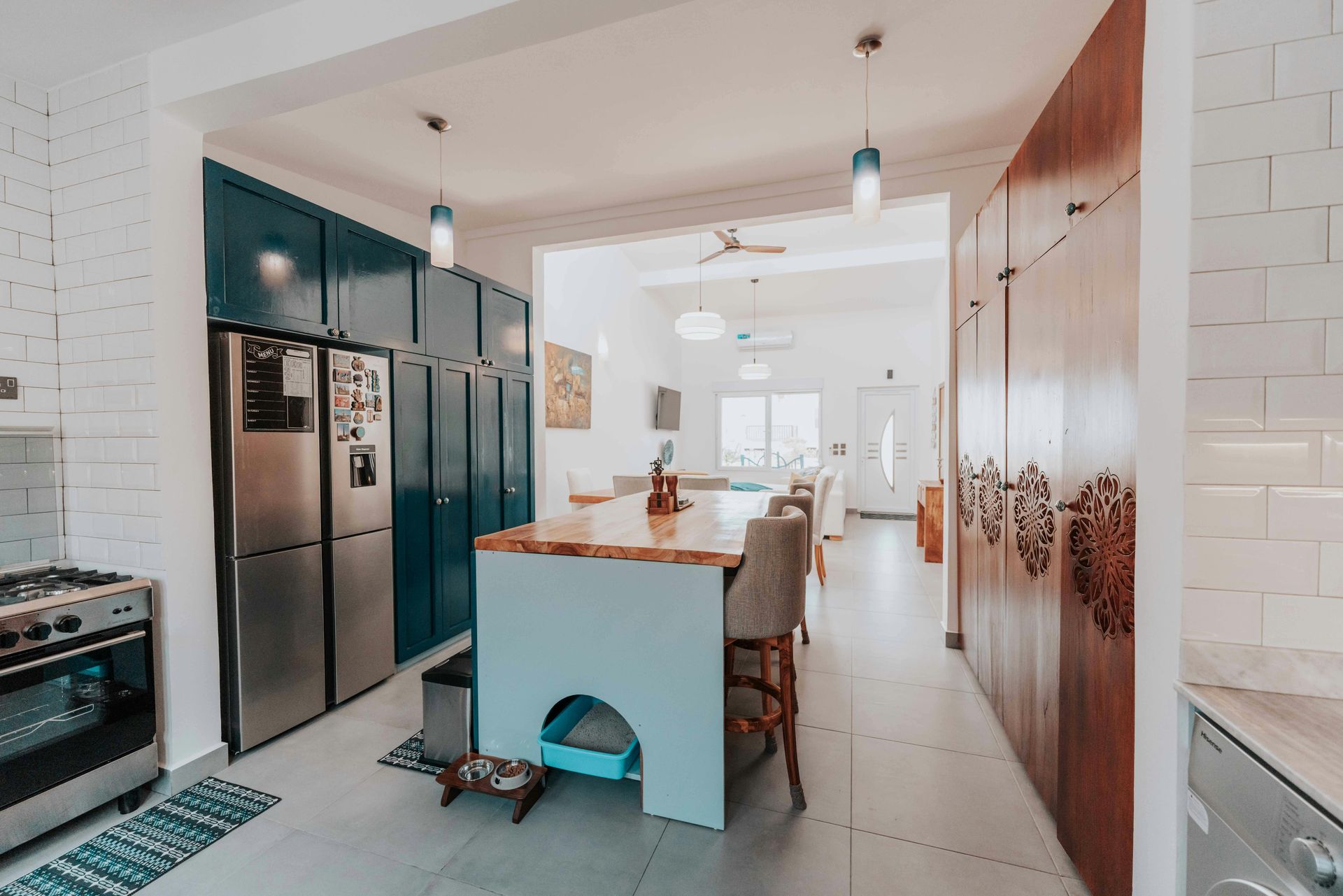
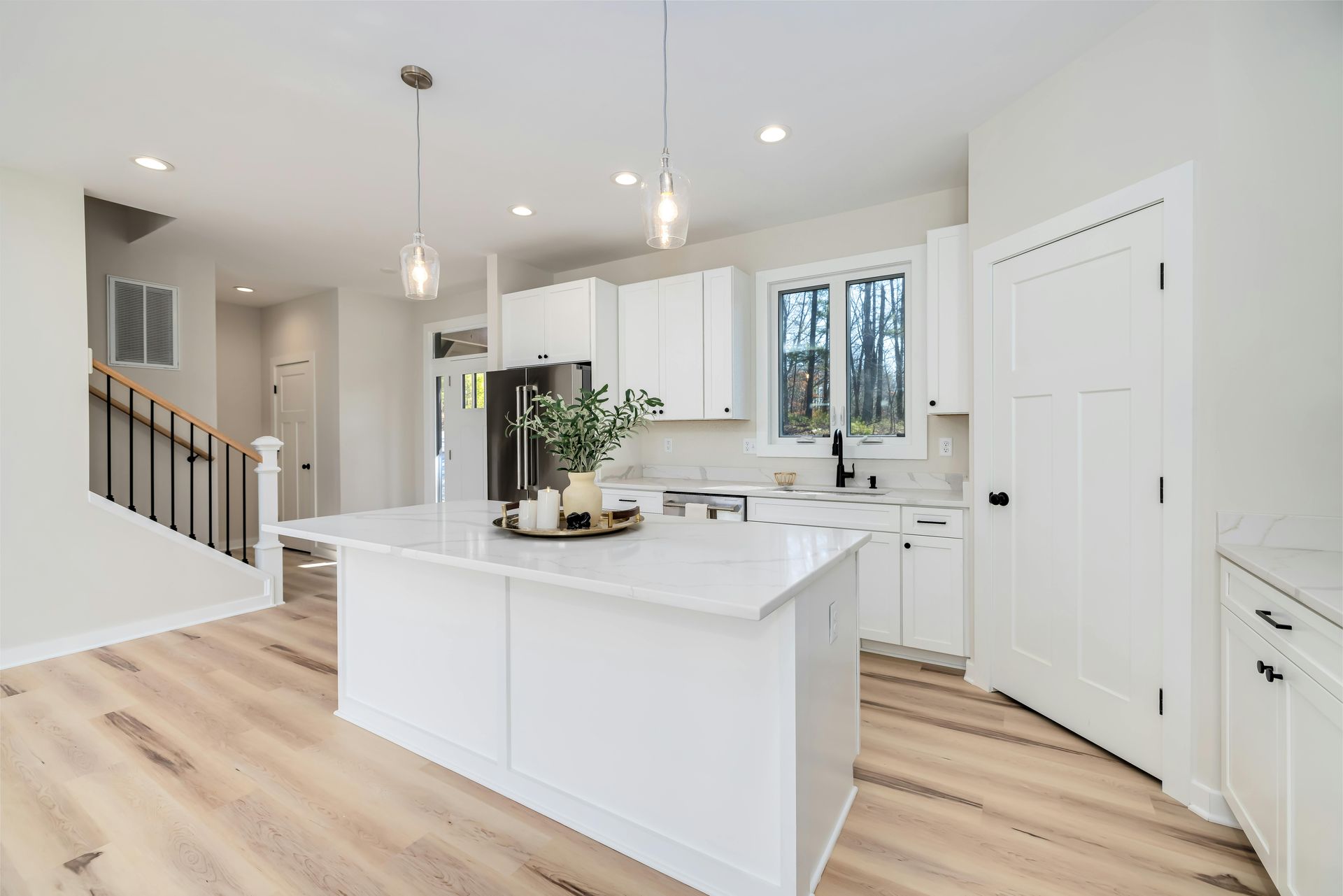
Photography then becomes an extension of that storytelling. Editorial imagery differs from standard project documentation. It captures atmosphere. It anticipates layout. It leaves space for text or pull quotes. It balances wide spatial shots with intimate details such as a handle, a shadow or a reflection in glass cabinetry. It suggests life without cluttering the frame.
Editors often receive dozens of kitchen submissions each week. What differentiates one from another is not simply quality, but completeness. A strong pitch includes high-resolution, well-styled imagery, a concise but compelling narrative, clear credits and an understanding of why the project suits that particular publication and often a client willing to talk about their property.
For brands looking to secure coverage, this isn’t as easy as asking your client to be interviewed. You need them to understand the process, how to speak to the media and ensure that they understand the tone and style of the publication.
Timing is equally critical. Magazines operate months in advance. Spring renovation features may be commissioned in autumn. Christmas entertaining kitchens may be selected in summer. Kitchen brands who research editorial calendars (or work with PR professionals like Orange who understand them) dramatically improve their chances of success. Pitching a cosy, warm-toned kitchen in the middle of July without contextual relevance is unlikely to resonate. Pitching it as part of a winter entertaining narrative, at the right time, might.
Relationships also influence outcomes. Editors are human. They are more inclined to consider submissions from independent kitchen designers who are easy to work with and that they trust. Responding promptly to journalist requests, offering expert commentary when asked and imagery of the right quality are all interactions that build familiarity. Over time, that familiarity turns into opportunity.
There is also an art to restraint. Not every project needs to be pitched everywhere. Selectivity enhances credibility. When designers submit only their strongest work, they build a reputation for quality. Editors begin to associate their name with thoughtful design rather than frequent self-promotion.
Importantly, the value of a magazine feature extends beyond the publication date. Once featured, designers should integrate that coverage into their wider brand narrative. It can be showcased on the website, shared across social channels, included in proposals, and referenced in client consultations. A single feature can reinforce authority for years.
At its core, being featured in a home design magazine is not about chasing publicity. It is about participating in the cultural dialogue around how kitchens shape modern living. It is about demonstrating that your work contributes meaningfully to that conversation.
When approached strategically (with narrative clarity, visual excellence, timing awareness, and relationship-building) magazine features become not an aspiration, but a natural extension of a studio’s evolving reputation.